Customs of the Mid-Autumn Festival
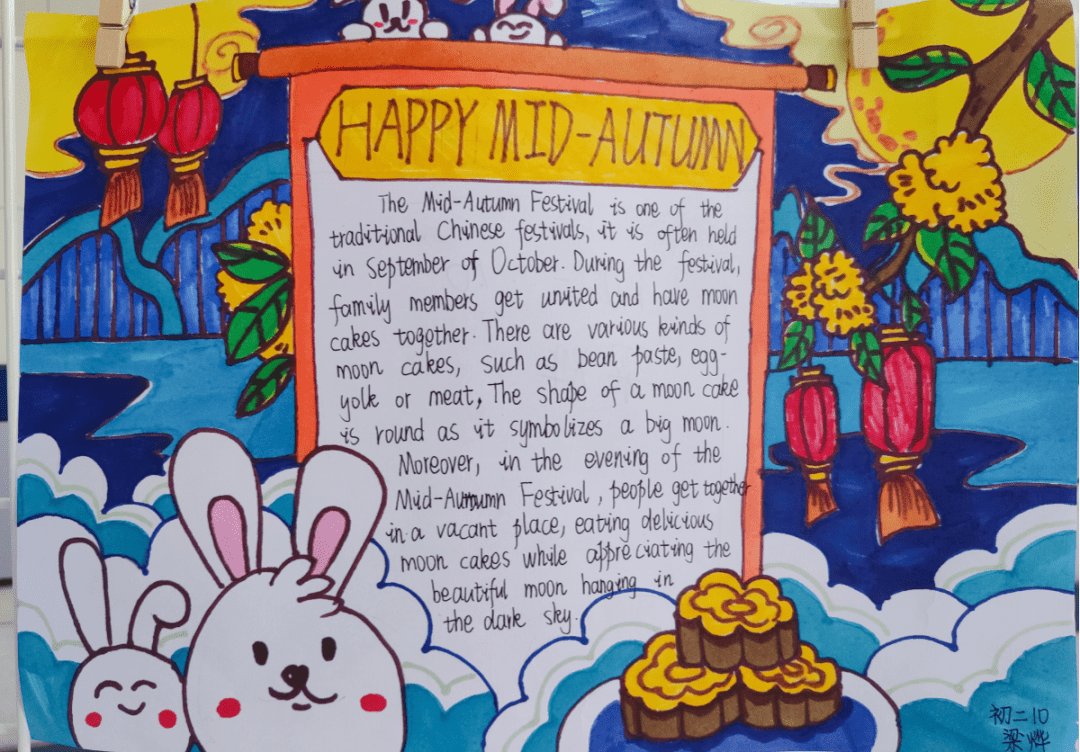
The Mid-Autumn Festival is a traditional festival of our country, also known as the moon festival, autumn Festival, Mid-Autumn Festival, August festival, August meeting, chasing the moon festival, playing on the moon festival, worship on the moon festival, girls' festival or reunion festival, is popular in many Chinese ethnic and Chinese character culture circle countries traditional cultural festival.
The Mid-Autumn Festival began in the early years of the Tang Dynasty, was popular in the Song Dynasty, and became one of the major festivals in China along with the New Year's Day. Influenced by Chinese culture, the Mid-Autumn Festival is also a traditional festival in some countries in East Asia and Southeast Asia, especially the local Chinese overseas Chinese. Since 2008, the Mid-Autumn Festival has been listed as a national holiday. On May 20, 2006, The State Council listed the first batch of national intangible cultural heritage.
In ancient times, due to the continuous long-term wars and beacon fires, coupled with inconvenient transportation and communication. People yearn for reunion and happiness, but often do not get it. Lovesick people will be sent to the month. This situation is often seen in the poetry of the past dynasties.
Such as: Tang Dynasty Li Bai: "look at the bright moon, bow to think of hometown"; Du Fu's: "dew from tonight white, the month is hometown Ming"; It can be seen that the moon was used as a symbol of light, purity and beauty in ancient times.
Since ancient times, the Mid-Autumn Festival has been offering sacrifices to the moon, admiring the moon, worshipping the moon, eating moon cakes, appreciating osmanthus flowers, drinking osmanthus flowers wine, and other customs, which have been handed down to the present, enduring. The Mid-Autumn Festival is a rich and precious cultural heritage with the circle of the moon and the reunion of people. It is a place for people to miss their hometown, miss their relatives, and pray for harvest and happiness.
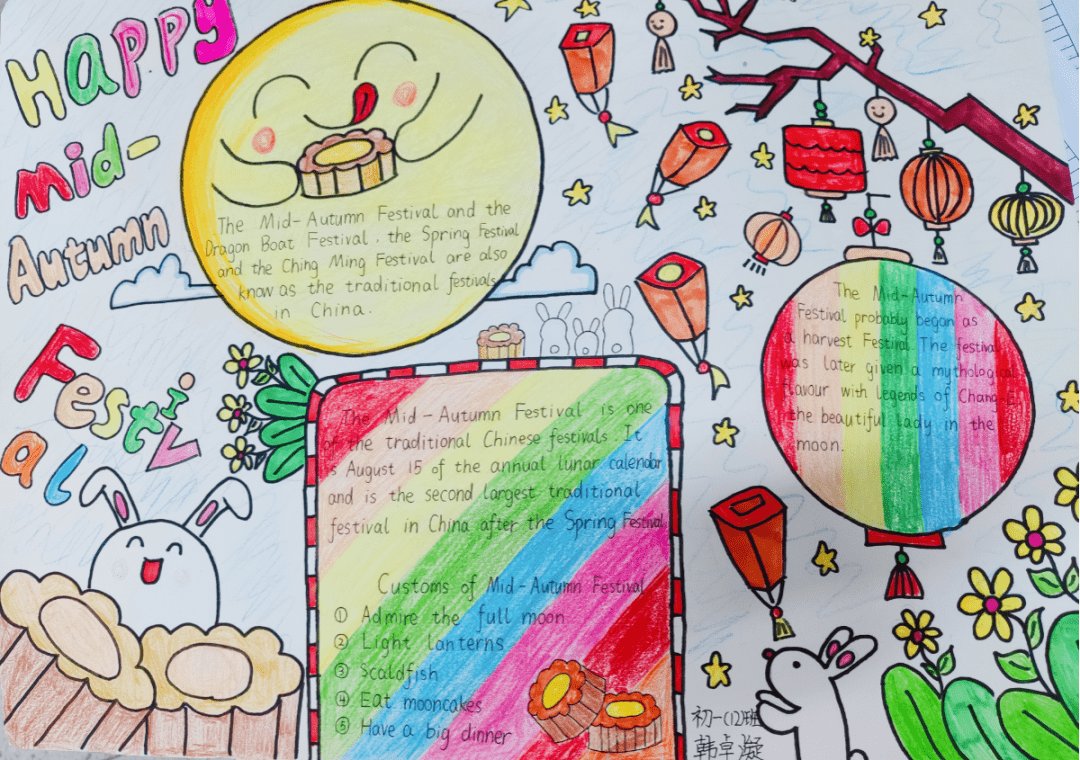
中秋节的习俗
中秋节是我国的传统节日,又称月夕、秋节、仲秋节、八月节、八月会、追月节、玩月节、拜月节、女儿节或团圆节,是流行于中国众多民族与汉字文化圈诸国的传统文化节日。
中秋节始于唐朝初年,盛行于宋朝,至明清时,已与元旦齐名而成为中国的'主要节日之一。受中华文化的影响,中秋节也是东亚和东南亚一些国家尤其是当地的华人华侨的传统节日。自2008年起中秋节被列为国家法定节假日。2006年5月20日,国务院列入首批国家级非物质文化遗产名录。
古时候,由于长期战争不断、烽火连绵,再加上交通、通信不便。人们渴望团聚康乐,往往不能如愿。相思的人们便以月寄情。这种状况在历代诗文中多见。
如:唐代李白的:“举头望明月,低头思故乡”;杜甫的:“露水从今夜白,月是故乡明”;可见月亮在古代就作为光明,纯洁,美好的象征。
中秋节自古便有祭月、赏月、拜月、吃月饼、赏桂花、饮桂花酒、等习俗,流传至今,经久不息。中秋节以月之圆兆人之团圆,为寄托思念故乡,思念亲人之情,祈盼丰收、幸福,成为丰富多彩、弥足珍贵的文化遗产。